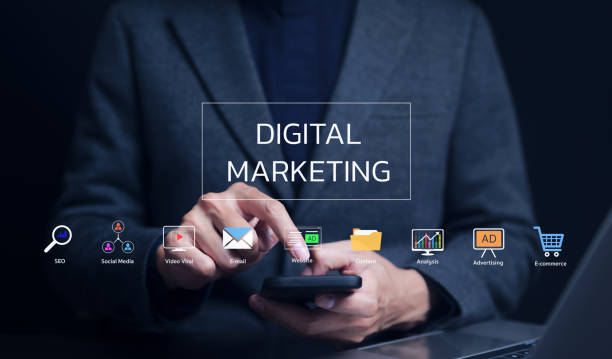
Running a Shopify store in 2026 is easier than ever, but growing it successfully is where the real challenge begins. With increasing competition in the e-commerce space, simply launching your store is not enough. You need strong marketing strategies to attract the right audience and convert them into customers. Many entrepreneurs today are exploring digital marketing courses in Pune to understand how to effectively promote their Shopify businesses and scale them successfully.
Marketing plays a crucial role in the success of any Shopify store. Even if you have high-quality products, without proper visibility, your store may struggle to generate sales. A well-planned marketing strategy helps you reach potential customers, build brand awareness, and create long-term growth opportunities. The key is to combine different marketing channels and use them strategically.
One of the most important strategies is Search Engine Optimization (SEO). SEO helps your Shopify store appear in search engine results when customers are looking for products you offer. By optimizing product titles, descriptions, meta tags, and images with relevant keywords, you can attract organic traffic without spending on ads. Additionally, improving site speed and ensuring a mobile-friendly design enhances user experience and boosts rankings.
Social media marketing is another powerful way to promote your Shopify store. Platforms like Instagram, Facebook, and Pinterest allow you to showcase your products visually and connect with your audience. Posting high-quality images, reels, and engaging content helps build brand awareness and trust. Consistent interaction with your followers through comments and messages strengthens relationships and encourages repeat purchases.
Paid advertising is essential if you want faster results. Platforms like Google Ads and Facebook Ads enable you to target specific audiences based on their interests, behavior, and demographics. Running well-optimized ad campaigns can bring immediate traffic and increase sales. However, it is important to test different ad creatives, headlines, and audiences to find what works best for your store.
Email marketing is one of the most effective strategies for customer retention. Building an email list allows you to stay connected with your customers and promote your products directly. You can send welcome emails, special offers, product updates, and abandoned cart reminders. This not only increases repeat purchases but also builds long-term customer relationships.
Content marketing is another strategy that can significantly boost your Shopify store’s visibility. Creating blogs, product guides, and how-to articles helps you attract organic traffic and establish authority in your niche. Informative content not only educates your audience but also builds trust, making them more likely to purchase from your store.
To make the most of these strategies, many learners enroll in Digital Marketing Classes in Pune to gain practical knowledge and hands-on experience. Understanding how to implement SEO, social media, and paid advertising effectively can make a huge difference in your store’s performance. Learning from experts helps you avoid common mistakes and apply proven techniques.
Conversion Rate Optimization (CRO) is equally important as driving traffic. Getting visitors to your website is only the first step; converting them into customers is the real goal. You can improve conversions by using clear call-to-action buttons, simplifying the checkout process, and adding trust signals such as reviews and testimonials. A smooth user experience encourages customers to complete their purchase.
Influencer marketing has become a popular strategy for Shopify stores. Collaborating with influencers in your niche allows you to reach a larger and more targeted audience. Micro-influencers, in particular, have highly engaged followers, making them effective for promoting products. Their recommendations often feel more authentic, which builds trust among potential customers.
Retargeting campaigns are essential for bringing back visitors who did not make a purchase on their first visit. Many customers need multiple interactions before making a decision. Retargeting ads remind them about your products and encourage them to return to your store. Offering special discounts or limited-time deals can further increase the chances of conversion.
Mobile optimization is no longer optional—it is a necessity. A large percentage of online shoppers use mobile devices, so your Shopify store must be fast, responsive, and easy to navigate on smartphones. A poor mobile experience can lead to higher bounce rates and lost sales opportunities.
Building a strong brand identity is another key factor in long-term success. Your brand should reflect your values, style, and uniqueness. Consistent design, messaging, and tone help you stand out in a crowded market. A strong brand not only attracts customers but also builds loyalty and encourages repeat business.
Using analytics and data helps you understand your performance and improve your strategies. Tools like Google Analytics and Shopify reports provide insights into customer behavior, traffic sources, and sales trends. By analyzing this data, you can identify what is working and make informed decisions to optimize your marketing efforts.
Customer support also plays a crucial role in the success of your Shopify store. Providing quick responses, clear communication, and easy return policies improves customer satisfaction. Happy customers are more likely to recommend your store and become repeat buyers.
While implementing these strategies, it is important to avoid common mistakes. Ignoring SEO can limit your organic reach, while relying only on paid ads can become expensive in the long run. Poor product presentation, such as low-quality images or unclear descriptions, can reduce trust. A lack of clear strategy often leads to inconsistent results.
Looking ahead, the future of Shopify marketing will continue to evolve with new trends. AI-driven personalization, video-based content, and advanced targeting techniques will shape the e-commerce landscape. Businesses that adapt to these changes and stay updated with new tools will have a competitive advantage.
In conclusion, running a successful Shopify store requires a combination of the right marketing strategies. From SEO and social media to paid ads and customer engagement, each element plays a vital role in driving growth. The key is to focus on consistency, continuous learning, and adapting to changing trends.
Success in Shopify is not about doing everything at once—it is about implementing the right strategies effectively. By applying these techniques, you can attract more customers, increase conversions, and build a strong and sustainable online business.